
Introduction to Diwali and Its Significance
Diwali, also known as the Festival of Lights, is one of the most celebrated festivals in Indian culture, encompassing a wide array of traditions and customs that vary across regions. The festival typically spans five days, with each day holding its unique significance. Its origins can be traced back to ancient India, where various scriptures mention the festival in different contexts. While many associate Diwali with the return of Lord Rama to Ayodhya after defeating the demon king Ravana, the festival is celebrated for different reasons across India, reflecting the rich tapestry of its cultural heritage.
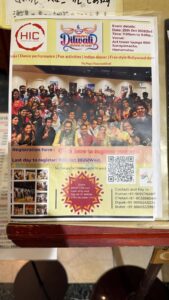
At its core, Diwali symbolizes the triumph of light over darkness and good over evil. The illuminating diyas (oil lamps) and colorful rangoli designs created during the festivities serve as reminders of this profound theme. Homes and public spaces are adorned with lights and decorations, creating a vibrant atmosphere filled with joy and celebration. In addition to its spiritual significance, Diwali fosters a sense of community and family bonding, as relatives and friends come together to partake in festivities, share meals, and exchange gifts.
The festival is also marked by several rituals, including Lakshmi Puja, which honors the goddess of wealth and prosperity, and Ganesha Puja, which seeks blessings for new beginnings. As families engage in these traditions, they reinforce their bonds and values, emphasizing the importance of unity and togetherness. Moreover, the act of giving and sharing during Diwali encapsulates the spirit of generosity, highlighting the festival’s significance in promoting harmony and goodwill among communities.
Celebrating Diwali in Hamamatsu, therefore, offers a unique opportunity to experience these traditions and customs firsthand, allowing individuals and families to connect with Indian culture while enjoying the universal themes of light, goodness, and community during this spectacular matsuri.
Hamamatsu: A Cultural Melting Pot
Hamamatsu, a vibrant city located in the Shizuoka Prefecture of Japan, is renowned for its remarkable diversity. With an international community that includes residents from various countries, it has evolved into a cultural melting pot over the years. Central to this multicultural landscape is the significant Indian population, which has actively contributed to the city’s dynamic character. The Indian community’s presence in Hamamatsu can be traced back several decades, driven by a mix of employment opportunities and academic pursuits. This influx of diverse cultures has led to a rich tapestry of traditions, cuisines, and celebrations that highlight the importance of unity amidst diversity.
As events unfold throughout the year, various cultural festivals and gatherings showcase the unique heritage of Hamamatsu’s international populace. These occasions provide valuable platforms for residents to share their customs and foster friendships across cultural lines. Noteworthy events include food festivals, traditional music performances, and dance showcases, all of which help cultivate an atmosphere of appreciation for the different cultures represented in the city. Through these initiatives, the Indian community has played a pivotal role in enhancing cultural exchange, particularly through their traditional celebrations such as Diwali.
The first large-scale Diwali celebration in Hamamatsu marked a significant milestone for the city, embodying the spirit of inclusivity that characterizes its social fabric. By inviting residents of all backgrounds to partake in the festivities, the Indian community not only showcased their rich traditions but also contributed to a deeper understanding between different cultural groups. The enormous enthusiasm surrounding this festival serves as a testament to the power of community celebrations in strengthening social bonds and promoting harmony among Hamamatsu’s diverse population.
The Venue: Act City – A Hub for Cultural Events
Act City, located in the heart of Hamamatsu, stands as a premier venue for cultural events, making it an ideal setting for the celebration of Diwali. This multifunctional complex encompasses a concert hall, exhibition space, and conference rooms, equipped with state-of-the-art facilities that cater to a variety of events. The signature concert hall, with its superb acoustics and spacious seating, has housed numerous performances, ranging from classical music to contemporary acts. Such versatility in its offerings underscores Act City’s commitment to promoting artistic endeavors.
Established in 1994, Act City has a storied history, having hosted both local and international events. Its architectural design, which harmonizes modern aesthetics with functional spaces, allows for seamless adaptation to different types of gatherings. The venue appreciates the historical significance of cultural festivals, creating a vibrant atmosphere where tradition and modernity coexist. This unique environment contributes to the overall experience of large gatherings, such as the Diwali festival, where community engagement is paramount.
Over the years, Act City has served as a backdrop for various notable events, including music festivals, art exhibitions, and local food fairs, further solidifying its reputation as a cultural hub in Hamamatsu. The successful hosting of the Hamamatsu Festival, along with other monthly cultural events, highlights its ability to bring people together through shared experiences. The venue’s strategic location and extensive facilities ensure that attendees enjoy a memorable celebration, enriched by the blend of traditional Indian cultures celebrated during Diwali.
As we prepare to celebrate Diwali at Act City, its legacy as a center for cultural exchange continues to thrive, reinforcing its role as an essential venue for community festivities.
Corporate Participation: Building Bridges Through Sponsorship
The participation of local corporate companies in the Diwali festival in Hamamatsu plays a fundamental role in fostering community ties and enhancing the overall experience of this vibrant celebration. Sponsorship from businesses not only provides essential financial support but also demonstrates a commitment to cultural integration and communal harmony. These collaborations help to elevate the festival’s significance, ensuring that the rich traditions of Diwali are showcased and appreciated by a wider audience.
Corporate sponsors contribute in various ways, ranging from funding for event logistics to providing resources, such as volunteers and promotional materials. Their involvement is crucial, as organizing a festival of this magnitude requires substantial investment and meticulous planning. Furthermore, local companies often take the opportunity to engage with the community, showcasing their own cultural appreciation and commitment to inclusivity. This creates a symbiotic relationship where both the festival and the businesses give back to the community.
Representatives from sponsored companies have expressed their enthusiasm about being part of the Diwali festival. For instance, a spokesperson from a prominent local business noted, “Sponsoring the Diwali festival allows us to connect with the diverse community in Hamamatsu. We believe that supporting cultural events enriches our city and strengthens our business relationships within the community.” Such testimonials highlight the broader impact that corporate participation has beyond mere sponsorship; it acts as a bridge between cultures, enhancing mutual respect and understanding.
In addition to building community ties, corporate involvement also provides companies with an avenue for social responsibility. By supporting events like Diwali, businesses can associate their brands with positive experiences, promoting goodwill among consumers. As the festival gains momentum, the visibility and support of local sponsors will only serve to fortify the cultural fabric of Hamamatsu, making each Diwali celebration a remarkable occasion for all involved.
Artistic Elements: Dancers, Performers, and Cultural Showcases
The Diwali celebration in Hamamatsu is not just a festival of lights; it is also a vibrant tapestry of artistic expression and cultural showcases that reflect the heart of Indian heritage. Dancers, musicians, and various performers play a pivotal role in creating an immersive experience for attendees, transforming the event into a sensory feast. Each performance is meticulously crafted, showcasing traditional art forms that are steeped in history and spirituality.
Among the most notable performances are classical dances such as Bharatanatyam, Kathak, and Odissi. Each of these dance forms is imbued with intricate footwork, expressive hand gestures, and vivid storytelling that resonate with both Indian traditions and contemporary themes. The dancers, often adorned in colorful costumes, captivate audiences with their skill, portraying stories of gods and goddesses, love, and the essence of Diwali itself—victory over darkness and ignorance.
The musical performances during the celebration further enhance the festive atmosphere, featuring a blend of traditional Indian instruments such as the tabla, sitar, and harmonium. Local musicians often merge these instruments with contemporary sounds, creating a unique fusion that reflects both the richness of Indian culture and the local musical landscape of Hamamatsu. This blending of influences not only entertains but also fosters a sense of community, drawing in audiences from diverse backgrounds.
Furthermore, performances often include theatrical displays, such as dramatic reenactments of mythological stories, which communicate the cultural significance of Diwali. These showcases serve to educate and engage the audience, providing insight into the festival’s history and its values. The collaborative efforts of local artists and visiting performers ensure that the Diwali celebration in Hamamatsu is a dynamic event, celebrating not only Indian culture but also the unity and diversity of the community.
Food and Hospitality: A Feast for the Senses
During Diwali, the vibrant celebration in Hamamatsu is made all the more enchanting by the rich array of culinary delights that reflect the diverse tapestry of Indian cuisine. Food is integral to this festival, serving not only as nourishment but also as a means of fostering community bonds. The festival features an enticing selection of traditional Indian dishes such as biryani, samosas, and an array of flavorful curries accompanied by aromatic basmati rice. Each dish is meticulously prepared, often incorporating age-old family recipes that have been passed down through generations.
Alongside these delectable offerings, international flavors are also present, reflecting the multicultural tapestry of the Hamamatsu community. Delightful treats like sushi, pasta dishes, and various appetizers from different cuisines are available, thus appealing to the diverse tastes of attendees. This integration of global culinary influences illustrates the inclusive nature of the festival and exemplifies how food transcends cultural boundaries.
In Indian culture, hospitality plays a vital role, with a strong emphasis on welcoming guests and ensuring their comfort. During Diwali celebrations, hosts go to great lengths to ensure that visitors indulge in the culinary experiences on offer. It is customary to serve food generously, as offering guests ample food signifies respect and generosity. The warmth of this hospitality, combined with the aromatic experiences of exotic spices and intricate flavors, creates an atmosphere of joy and unity. Traditional sweets such as gulab jamun and jangiri, often served during the festival, not only complement the savory dishes but also symbolize the sweetness of life and relationships.
The culinary landscape during Diwali in Hamamatsu turns into a feast for the senses, with food acting as a central element that brings people together, celebrates tradition, and honors the spirit of community during this festival of lights.
Community Participation: The Heart of the Celebration
The Diwali celebrations in Hamamatsu are a vibrant mosaic of cultures, showcasing the active participation of both Indian residents and their foreign counterparts. This event serves not only as a festival of lights but also as a gathering where diverse communities unite in a shared experience of joy, color, and tradition. Each year, locals eagerly anticipate the festivities, taking on various roles—from organizing committees to enthusiastic volunteers, showcasing their commitment to preserving the festival’s essence.
Stories of community involvement abound during the Diwali celebrations. Local families host rangoli workshops, inviting participants to learn this intricate art. Children and adults alike can be seen meticulously designing traditional patterns with vibrant colors, illustrating not only their creativity but also their desire to partake in this cultural heritage. The atmosphere is filled with laughter and collaboration, as bonds form over shared tasks, reinforcing a sense of togetherness that transcends backgrounds.
Moreover, food holds a central place in the festival, with numerous stalls offering delicacies from Indian cuisine. Attendees enjoy culinary delights, while sharing recipes and stories about their own traditions. This exchange enhances the feeling of camaraderie, as foreign participants discover the tastes and smells that are integral to the festival of Diwali. Social media has played a significant role as well, allowing stories of participants to be shared widely, which in turn inspires more people to join in future events.
As the evening unfolds, the lighting of diyas and bursting of fireworks add to the palpable excitement. All attendees gather to witness beautiful performances, involving traditional dances and music, bridging cultural gaps and fostering an environment of mutual respect. In essence, the Diwali celebrations in Hamamatsu exemplify the power of community participation, highlighting how unity in diversity can create unforgettable experiences, strengthening ties and celebrating life together.
The Role of Fireworks and Lights in Diwali
Diwali, also known as the Festival of Lights, is characterized by a stunning display of fireworks and lights that symbolize the victory of light over darkness and good over evil. This iconic tradition plays a central role in the celebrations, not only in India but also in locations worldwide, such as Hamamatsu, where the Indian community gathers to commemorate this festival. Fireworks, with their vibrant colors and explosive sounds, captivate attendees and create an atmosphere of joy and excitement, serving as a reminder of the mythological battle won by Lord Rama against the demon king Ravana.
In Hamamatsu, the incorporation of fireworks into Diwali festivities is a visual spectacle that enhances the overall experience. As dusk falls, the skyline lights up with a myriad of colors, creating an enchanting canvas that draws spectators’ attention. The sound of fireworks exploding in the night sky symbolizes triumph and a fresh beginning, reminding participants of the significance of unity and togetherness—a core theme celebrated during Diwali.
Safety is a paramount concern during the fireworks display, especially in large gatherings. Organizers are diligent in implementing safety measures to ensure a secure and enjoyable experience for all attendees. This includes designating specific zones for the fireworks, providing clear instructions on handling them, and employing trained professionals to manage the display. Additionally, firework demonstrations are held in open areas away from residential regions to minimize risks. Such precautions are crucial for fostering an environment where families can fully partake in the festivities without undue concern.
The interplay of lights and fireworks during Diwali in Hamamatsu not only upholds cultural traditions but also brings the community together in celebration. The dazzling effects of expertly choreographed fireworks, coupled with sparkling lamps and decorated homes, create a mesmerizing ambiance that captivates individuals of all ages, making it a celebration to cherish.
Conclusion: A Successful Celebration and Looking Forward
The celebration of Diwali as a cultural matsuri in Hamamatsu this year was marked by a series of vibrant and meaningful festivities that successfully fostered cultural exchange and community spirit. The event brought together individuals from various backgrounds, showcasing the rich traditions of India while allowing participants to engage with one another. From lively dance performances to colorful decorations, each segment of the celebration highlighted the essence of Diwali, making it a memorable occasion for everyone involved.
Feedback gathered from participants and organizers reflects a strong appreciation for the meticulous planning and execution of the event. Many attendees expressed joy at the opportunity to learn about and celebrate Indian culture in an environment that encouraged community bonding. Volunteers and organizers were commended for their dedication, which contributed significantly to the overall success of the matsuri. The collaboration between local organizations and the Indian community in Hamamatsu was pivotal in creating an inclusive atmosphere that resonated with cultural appreciation and harmony.
Looking ahead, there is a collective eagerness to host similar Diwali celebrations in the future, with hopes of expanding activities and enriching the experience for participants. The commitment to preserving and promoting cultural traditions across borders is paramount, especially in today’s increasingly globalized world. By organizing future events, the community aims to not only celebrate the festival of lights but also to build bridges between cultures, nurturing understanding and respect. The successful execution of this year’s event serves as a strong foundation to ensure that the spirit of Diwali will continue to shine brightly in Hamamatsu for years to come.